

Foundations That Scale Without Friction

Scale begins with clarity about why your knowledge exists and how it should flow, from capture to synthesis to long-term retrieval. Rather than obsessing over perfect structure on day one, focus on stable routines, resilient naming, and gradual refinement that never blocks momentum. Good foundations welcome change, invite consistent habits, and reduce the cognitive drag that silently persuades you to stop taking notes altogether.

Schemas That Evolve With Understanding

A schema defines entities, attributes, and relationships, but it must bend without breaking as your ideas mature. Start with minimal fields, then extend carefully as patterns prove valuable. Document your decisions in a visible place and prefer backwards-compatible tweaks whenever possible. Evolutionary schemas protect historical notes, reduce migration pain, and maintain trust that today’s structure will not betray tomorrow’s insights.

Retrieval and Navigation That Feel Effortless

Finding must feel instant, reliable, and forgiving. Blend full-text search, structured filters, and navigational trails that explain context, not just destinations. Design wayfinding like urban planners: clear signage, memorable landmarks, and predictable paths. As your corpus grows, invest in saved queries, dashboards, and maps of content that become durable interfaces to recurring questions and research journeys you frequently revisit.

Progressive Summarization That Accumulates Insight

Layer highlights, summaries, and distilled takeaways over time rather than in one exhausting pass. Each return visit adds a finer layer, making the note more reusable without reinventing it. This compounding process turns scattered research into portable, quotable wisdom. It also makes resurfacing sessions satisfying, because progress is visible, incremental, and aligned with real questions instead of abstract tidiness goals.

Merging, Splitting, and Archiving Decisions

Set decision rules: merge when overlap exceeds clarity, split when a page hosts multiple intentions, and archive when value is historical rather than operational. Record the why behind major moves so future you understands context. Use soft deletes, dated folders, or archive tags. Thoughtful transitions protect continuity and preserve provenance, ensuring your system feels alive rather than constantly under construction.

Automations That Respect Human Judgment

Automate the mundane, not the meaningful. Let scripts handle renames, backlink updates, template insertion, and metadata normalization. Keep judgment calls—like synthesizing arguments or choosing canonical tags—with you. Build safety nets: dry runs, undo logs, and small batches. Healthy automation raises quality without eroding agency, making daily upkeep light while preserving the intentionality that ultimately gives your notes their enduring value.

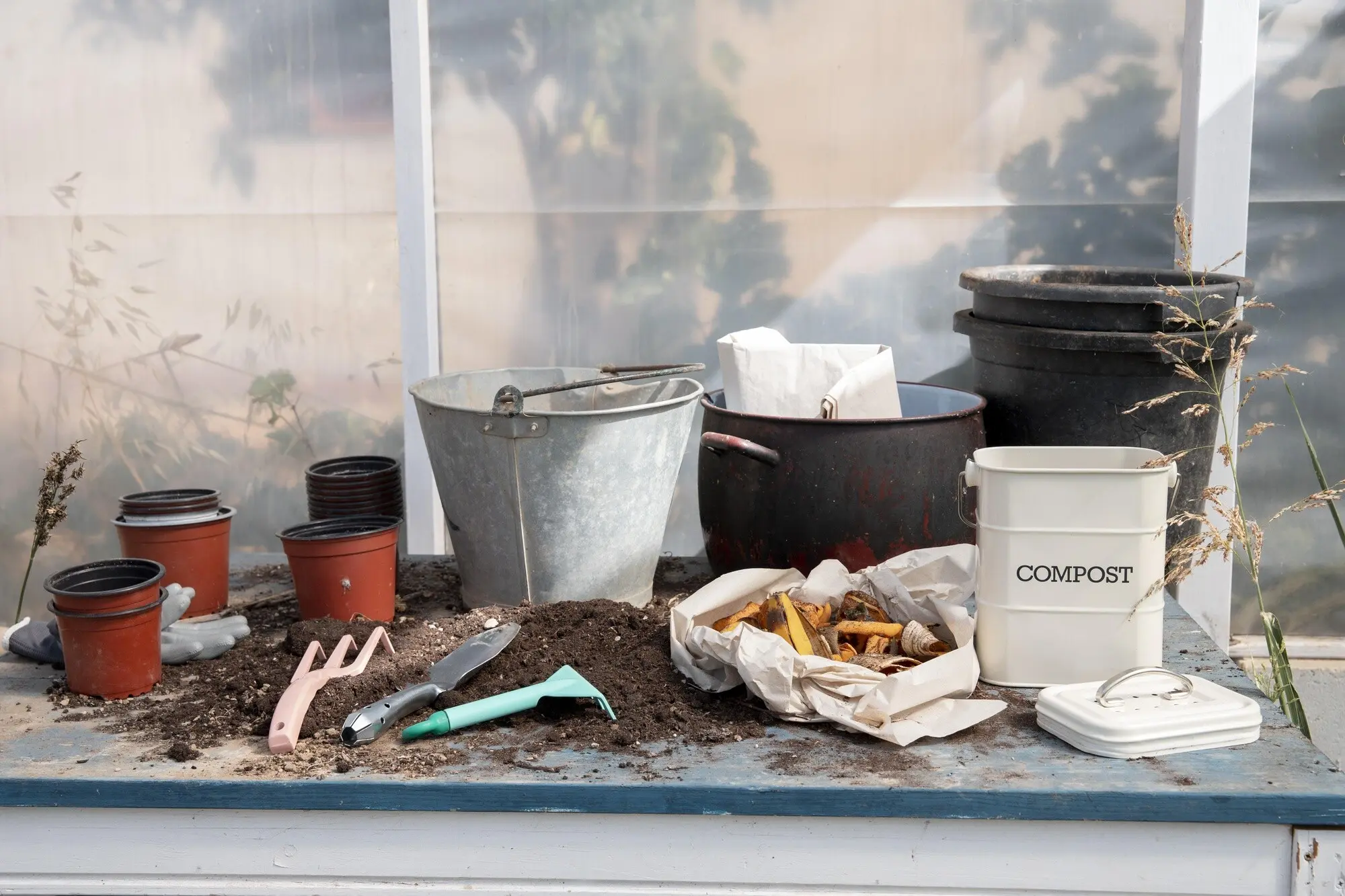
Lifecycles, Gardening, and Long-Term Care

A scalable knowledge base lives through seasons: seed, grow, prune, and compost. Define lifecycles for notes and projects, from rough captures to evergreen references. Schedule lightweight reviews, automate resurfacing, and archive with intent. The goal is not perfection but momentum, where small acts of gardening compound into clarity, and neglected material quietly exits active views without vanishing from historical memory.

Performance, Portability, and Future-Proofing

Scale exposes hidden costs: sluggish search, sync conflicts, and lock-in. Favor open formats like Markdown, portable metadata, and human-readable structures. Keep file counts, folder depths, and attachment strategies within sane limits. Test against cold starts and offline scenarios. A future-proof base resists tool churn, migrates gracefully, and remains usable under constraints, preserving your work across devices, years, and changing preferences.

Human-Centered Practices That Stick

Designing for Future You

Write as if a helpful stranger will read your notes a year from now. Explain acronyms, link definitions, and record why something matters, not just what it is. Leave bread crumbs to next actions. Future you arrives tired, curious, and grateful; design for that person. This empathetic stance creates continuity across projects, seasons, and changing interests without constant relearning.

Visual Language and Microcopy

Consistent icons, headings, and callouts act like street signs in a busy city. Pick a restrained palette and stick to semantic meaning: warnings, insights, actions, references. Use microcopy that nudges behavior kindly, reminding you of criteria or next steps. A small, stable visual language reduces friction, accelerates scanning, and turns dense knowledge into approachable paths that invite regular engagement.

Stories, Rituals, and Accountability

Narratives make systems memorable. Tell short stories about how a note helped a decision, or how a map clarified a project. Create rituals: Friday synthesis, first-coffee capture, or monthly pruning. Invite a friend to co-review dashboards. Light accountability keeps momentum alive, and stories reinforce why the system exists, transforming maintenance from a chore into a source of motivation and pride.
Laxivexopalo
Privacy Overview

This website uses cookies so that we can provide you with the best user experience possible. Cookie information is stored in your browser and performs functions such as recognising you when you return to our website and helping our team to understand which sections of the website you find most interesting and useful.