
Your Personal Nutrition Lab Starts Today

Today we step into designing N-of-1 nutrition experiments to find your optimal diet, transforming everyday meals into structured trials that reveal what truly fuels your body and mind. Expect clear steps, safety guardrails, practical templates, and relatable stories so you can test confidently, adjust gracefully, and keep progress honest, sustainable, and uniquely yours without chasing fads or surrendering to confusing, one-size-fits-all advice.

Set Your Question and Define Success

Everything begins with a single, precise question and a success definition that feels meaningful in real life. Instead of chasing vague outcomes like “eat healthier,” choose measurable, time-bound goals, such as improving afternoon focus by thirty percent while maintaining steady training energy. Precommit to a timeline, measurable endpoints, and a simple rule for deciding whether you continue, pivot, or stop, protecting yourself from mid-experiment bias and shifting expectations that blur clarity.

Clarify the outcome that truly matters

Ask why you want change until you reach a real outcome: fewer afternoon crashes, stable mood, better lifts, or calmer digestion. Translate that why into specific metrics, such as sustained energy ratings, reduced snack urges, or fewer GI symptoms, recorded daily. Let this clarity guide every design detail, from meal timing to data collection frequency, ensuring your effort serves what actually improves your days instead of abstract numbers you secretly do not care about.

Turn a vague curiosity into a testable plan

Reframe general ideas into precise comparisons, like higher-protein breakfasts versus higher-carbohydrate breakfasts across alternating weeks, with minimum two crossovers. Define start and stop dates, daily logging routines, and what qualifies as adherence. Include practical constraints—travel, social meals, training cycles—and decide how to handle deviations. By writing your plan before you begin, you create a simple contract with yourself that reduces bias, prevents improvisation creep, and speeds decisions when results feel ambiguous.

Measure What Matters: Metrics, Tools, and Baselines
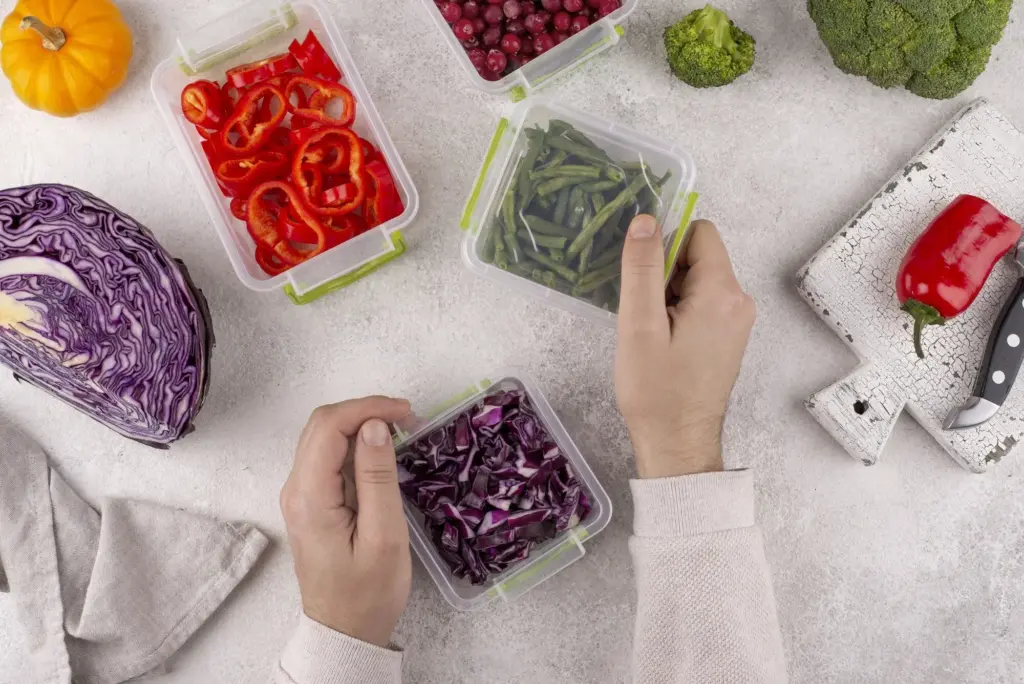
Good experiments rely on solid baselines and instruments that fit your question. Pair subjective ratings—hunger, focus, mood, cravings—with objective measures like bodyweight trends, waist measurements, heart rate variability, or continuous glucose monitoring. Start with a quiet baseline week to capture your natural pattern. Keep logging simple: timestamped meal photos, brief notes, and automatic device syncs. Fewer friction points mean better adherence, cleaner signals, and far more confidence in whatever patterns your data reveals.

Build a baseline you can trust

Before changing anything, observe your normal eating for seven to ten days. Record wake times, meals, snacks, fluids, training, and sleep quality. Use simple daily scales for hunger, energy, and focus. If possible, add morning weigh-ins, waist circumference, and resting heart rate. This snapshot becomes your comparison anchor, clarifying whether interventions actually improve stability or simply reflect random good days. Trustworthy baselines save time, temper excitement, and guide smarter, less frustrating adjustments later.

Choose instruments appropriate to your question

Match tools to goals: continuous glucose monitors for glycemic variability, food scales for precise energy intake, smart rings for sleep and HRV, tape measures for body composition proxies, stool logs for digestive comfort, and Pomodoro-based focus ratings for cognition. Avoid collecting data you will never use. Prioritize reliability and convenience over novelty. Calibrate devices, rehearse your logging routine, and confirm data exports work smoothly. Accurate, actionable instruments keep results interpretable when life inevitably complicates perfect plans.

Make logging effortless and honest

Design the shortest path from action to record: quick checkboxes for hunger, mood, and cravings; timestamped meal photos; automated wearable syncs; and a nightly two-minute reflection. Predefine what counts as adherence and note any deviations without guilt. Honesty beats perfection because it exposes real-world constraints and helps distinguish signal from noise. When logging aligns with your daily rhythm, you collect consistent data, remain curious instead of judgmental, and gradually build the self-knowledge you actually came for.

Design Rigorous One-Person Trials

One-person trials can be surprisingly powerful when structured with crossovers, randomization, and blinding. Alternate conditions in ABAB or ABBA sequences to expose repeatable effects. Randomize order to reduce expectation bias. Blind where possible using pre-labeled containers or prepared meals. Limit simultaneous changes, standardize timing, and use short washouts. This disciplined design increases signal clarity, protects against wishful thinking, and helps you trust conclusions when they support, challenge, or fully overturn beloved assumptions.

Food Variables: What and How to Tweak

Choose levers that influence your specific outcome: macronutrient ratios, fiber type, meal timing, hydration strategy, or specific foods suspected to help or hinder you. Change one lever at a time and keep everything else stable. Prioritize adherence-friendly swaps over heroic overhauls. Pre-cook, pre-portion, and simplify shopping lists. Include deliberate washout days between conditions. This practical approach preserves enthusiasm, safeguards data quality, and converts curiosity into consistent, real-world behavior you can maintain far beyond the experiment window.

Change only one lever at a time

If you adjust carbohydrate intake, resist also changing caffeine, training frequency, and bedtime. Single-variable changes illuminate cause and effect instead of igniting chaos. One subscriber replaced late-night snacks with a protein-rich yogurt and noticed steadier morning energy, but only after keeping steps, bedtime, and hydration constant. That clarity arrived because just one lever moved at once, turning ambiguous hunches into evidence capable of guiding confident, low-drama decisions on future grocery lists and meal prep.

Craft interventions you can adhere to

The best design fails if you cannot follow it. Prefer doable specifics: prepped breakfasts, batch-cooked legumes, or standardized smoothie kits over abstract macro targets. Build buffers for social meals and travel days. Create scripts for inevitable hiccups, like emergency snack options and simple restaurant orders. Adherence does not demand perfection; it demands repeatable actions under less-than-ideal conditions. When your plan respects your life, your data stays meaningful, and your motivation survives the first unpredictable week.

Analyze Results Without Fooling Yourself

Make patterns visible with simple visuals and humble statistics. Plot daily ratings, rolling averages, and ABAB timelines. Compare medians between conditions, estimate effect sizes, and consider minimal meaningful changes you can feel in real life. Cross-check trends against adherence notes and confounder tags. If results are borderline, extend trials or add another crossover. Your goal is not perfect proof; it is confident guidance you trust enough to change breakfasts, bedtimes, and grocery lists with calm conviction.

Turn Insights into Daily Habits

Insights matter only when they reshape routines. Translate findings into simple if-then rules, grocery defaults, and meal-prep rhythms that survive busy weeks. Automate where possible with calendar reminders, recurring orders, and prepped components. Keep a one-page playbook for breakfasts, lunches, snacks, and travel plans. Recheck your key metric monthly. When life changes—new job, training block, season—rerun a shortened trial. Habits anchored in evidence invite calm confidence, not constant second-guessing or perfectionistic pressure.

01

Translate findings into simple rules you’ll follow

Condense discoveries into tiny commitments: if morning meetings stack, choose the protein-rich option; if late training, prioritize easy-to-digest carbs at dinner; if poor sleep, delay coffee and add hydration. Stock your environment accordingly. Rules reduce decision fatigue and prevent drift under stress. The easier your defaults, the less willpower required. Over time, these rules feel natural, because they emerged from your data, your context, and your consistent experience rather than borrowed internet wisdom.

02

Create feedback loops that keep you aligned

Schedule quick check-ins: weekly five-minute reflections, monthly metric reviews, and a quarterly mini-experiment aligned with your current priorities. Pair triggers with actions, like updating logs after brushing teeth or planning meals every Sunday. When friction rises, simplify, not quit. Feedback loops make course corrections gentle and frequent, turning setbacks into information rather than identity threats. With steady loops, your nutrition system becomes resilient, adaptive, and surprisingly enjoyable even during complicated, demanding seasons.

03

Share your journey and invite accountability

Tell a friend your current experiment, post anonymized charts, or join a group that respects curiosity over dogma. Share both wins and weird data. Ask for meal ideas and travel-proof options. Gentle accountability encourages adherence without shame, while public documentation preserves objectivity. If you are comfortable, invite professional review of your plan and outcomes. Collaboration expands your toolbox, reduces blind spots, and makes this process feel less lonely and much more creatively energizing.

Stay Safe, Ethical, and Motivated

Know your red lines and speak to professionals

Define non-negotiables: no aggressive caloric deficits without supervision, no supplement stacks interacting with medication, and immediate stop if dizziness, palpitations, or alarming GI symptoms appear. Share your plan with a clinician, especially if you manage conditions like diabetes, thyroid issues, or anemia. Safety rules do not dampen curiosity; they enable it. Protecting your health ensures the learning continues, evolves responsibly, and supports the long game rather than chasing fragile, unsupervised short-term wins.

Respect sustainability and cultural context

Choose foods you can access year-round, afford comfortably, and enjoy preparing. Keep cherished cultural dishes by adjusting portions or timing instead of discarding identity. Consider environmental footprints when swapping proteins or produce. Invite household input so shopping and cooking feel collaborative, not disruptive. A plan that respects your culture and budget becomes easier to repeat, kinder to relationships, and ultimately more powerful, because adherence grows naturally from dignity, belonging, and shared, supportive routines.

Build motivation with stories and celebration

Track small victories: steadier mornings, calmer digestion, or a training session that finally felt smooth. Capture short notes about moments that mattered, then reread them before tough weeks. Celebrate with non-food rewards, like a new kitchen tool or a scenic walk. Stories remind you why this matters when charts feel abstract. Motivation becomes sturdier when joy accompanies progress, and celebrating evidence-driven change keeps you engaged, curious, and eager to run the next thoughtful iteration.

Laxivexopalo
Privacy Overview

This website uses cookies so that we can provide you with the best user experience possible. Cookie information is stored in your browser and performs functions such as recognising you when you return to our website and helping our team to understand which sections of the website you find most interesting and useful.